
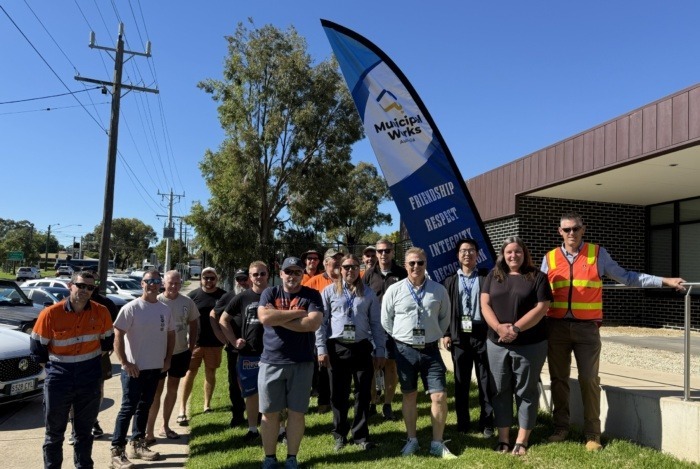
The Lowline site tour, held on Friday, 20 March as part of MWA Bendigo 2026, offered a compelling glimpse into the future of adaptive reuse and subterranean urban design. The tour, attended by 25 MWA members, combined on-the-ground exploration with thoughtful discussion, highlighting both the technical ambition and civic potential of the Lowline concept.
Set within a former underutilised underground space, the Lowline project demonstrates how neglected infrastructure can be reimagined into vibrant public environments. Participants were guided through the site, gaining insight into the design intent, engineering challenges, and broader vision driving the project. The tour emphasised how natural light is captured and redistributed below ground, transforming what would traditionally be a dark, constrained environment into a welcoming and functional public realm.
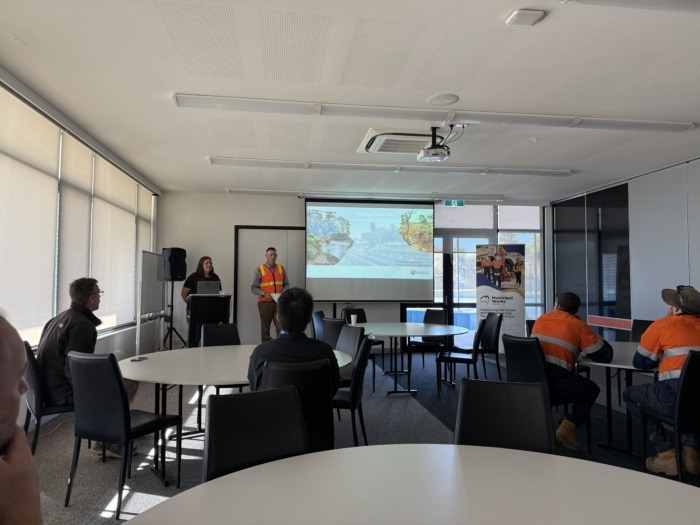
A key theme throughout the visit was innovation through constraint. The Lowline team has embraced the limitations of the existing structure—low ceilings, limited access points, and the absence of direct sunlight—and turned them into opportunities for creative problem-solving. Members were particularly interested in the daylighting technology and environmental systems being tested, which could have broader applications across urban renewal projects.
Beyond the technical aspects, the tour also sparked discussion around the social and cultural value of such interventions. By activating forgotten spaces, projects like the Lowline contribute to more inclusive, layered cities, where infrastructure serves not only functional needs but also community and experiential ones. The potential to replicate similar approaches in Australian contexts—particularly in cities with ageing or redundant underground assets—was a recurring point of conversation among attendees.
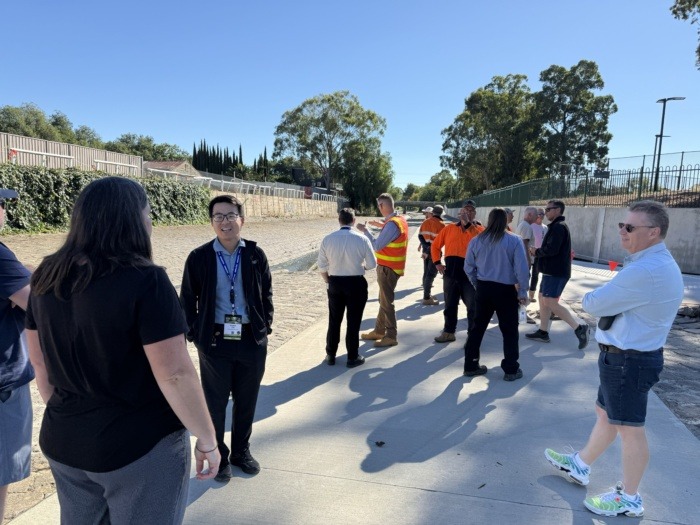
The group of 25 MWA members brought a diverse range of perspectives, from design and planning to delivery and operations. This made for rich dialogue throughout the tour, with many participants reflecting on how lessons from the Lowline could inform their own work. The informal setting enabled direct engagement with project representatives, fostering an open exchange of ideas and practical insights.
As part of the broader MWA Bendigo 2026 program, the Lowline site tour stood out as a hands-on experience that bridged theory and practice. It reinforced the value of site-based learning and the importance of seeing innovative projects in context. For those in attendance, the tour was not just an exploration of a single project, but a prompt to think differently about the hidden potential within our cities.
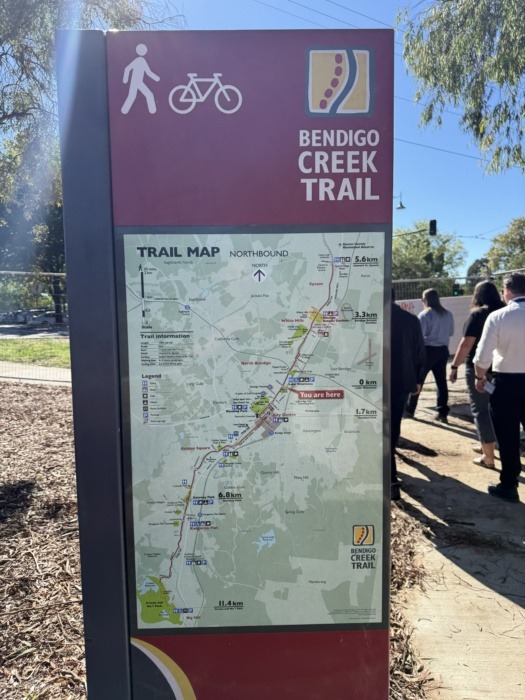
MWA extends its sincere thanks to Brett Quarrier and Heather Grenon from the City of Greater Bendigo for hosting and presenting the tour. Their insights and generosity in sharing the story behind the Lowline project were instrumental in making the experience both informative and inspiring for all involved.